
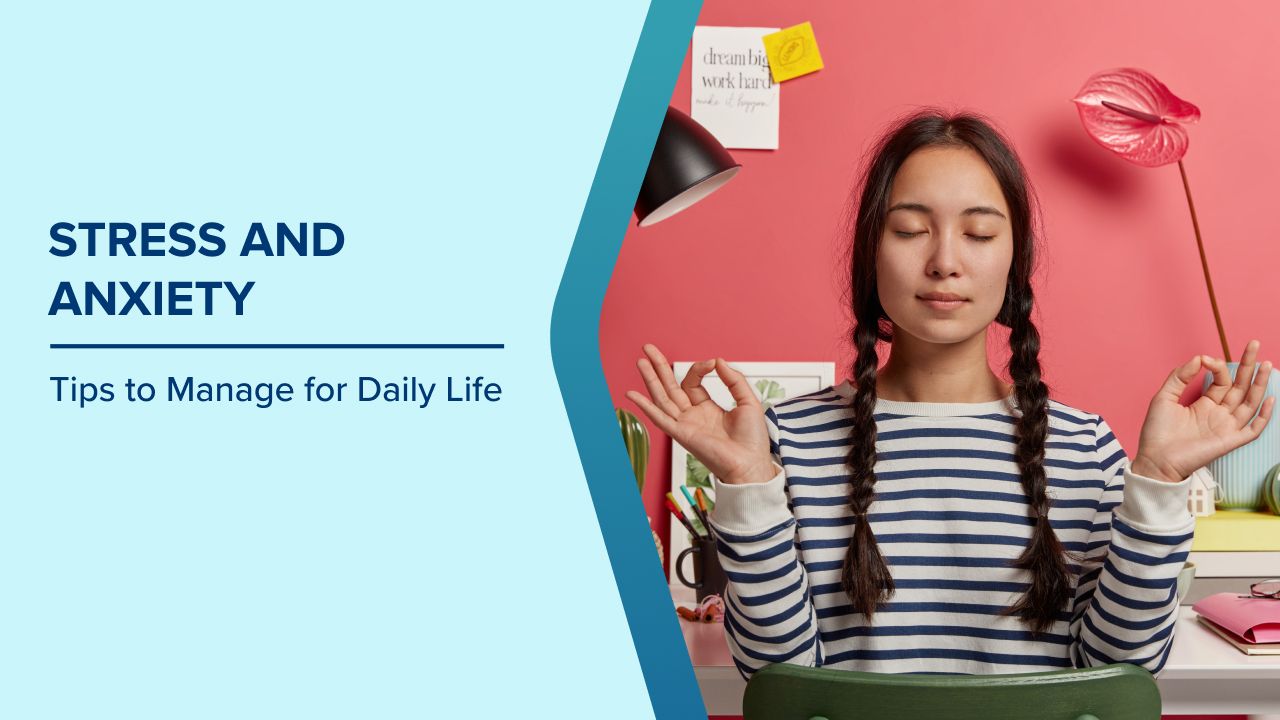
In today’s fast-paced corporate world, stress and anxiety have become common challenges for working professionals in India. Long working hours, tight deadlines, workplace competition, financial responsibilities, and personal commitments often create overwhelming pressure. While a certain level of stress can motivate people to perform better, excessive stress and anxiety can negatively affect mental health, productivity, and overall well-being.
According to various workplace studies, a significant percentage of Indian employees experience work-related stress regularly. The rise of remote work, digital connectivity, and the expectation to remain available around the clock have further intensified these issues. Understanding how to manage stress and anxiety effectively is essential for maintaining both professional success and personal happiness.
This guide explores practical strategies that working professionals in India can use to reduce stress, improve mental health, and achieve a healthier work-life balance.
Understanding Stress and Anxiety in the Workplace
Stress is the body’s natural response to demanding situations. Anxiety, on the other hand, involves persistent feelings of worry, fear, or nervousness that may continue even when there is no immediate threat.
Common Causes of Workplace Stress in India
- Heavy workloads and unrealistic deadlines
- Long commuting hours in metropolitan cities
- Job insecurity and economic uncertainty
- Workplace conflicts and office politics
- Lack of work-life balance
- Financial pressures and family responsibilities
- Performance expectations and career growth concerns
Recognizing the root cause is the first step toward managing stress effectively.
Signs That Stress and Anxiety Are Affecting You
Many professionals ignore early warning signs until the problem becomes severe. Watch out for these symptoms:
Physical Symptoms
- Frequent headaches
- Fatigue and low energy
- Sleep disturbances
- Muscle tension
- Digestive issues
Emotional Symptoms
- Irritability and frustration
- Constant worry
- Feeling overwhelmed
- Mood swings
- Lack of motivation
Behavioral Symptoms
- Procrastination
- Reduced productivity
- Social withdrawal
- Increased dependence on caffeine or alcohol
- Difficulty concentrating
If these symptoms persist, it may be time to take corrective action.
Practical Ways to Deal with Stress and Anxiety
1. Create a Structured Daily Routine
A well-planned schedule reduces uncertainty and helps maintain control over daily tasks.
Start each day by:
- Prioritizing important work
- Setting realistic goals
- Breaking large projects into smaller tasks
- Allocating specific time blocks for work
When work is organized, stress levels naturally decrease.
2. Practice Time Management
Poor time management often leads to missed deadlines and unnecessary pressure.
Effective time management strategies include:
- Using digital planners or calendars
- Following the Pomodoro technique
- Avoiding multitasking
- Completing high-priority tasks first
Managing your time effectively helps prevent last-minute panic and anxiety.
3. Take Regular Breaks During Work
Many professionals believe working continuously increases productivity. In reality, the brain needs periodic rest.
Try to:
- Take a 5–10 minute break every hour
- Stretch your body
- Walk around the office
- Look away from screens periodically
Short breaks refresh the mind and improve focus.
4. Exercise Regularly
Physical activity is one of the most effective stress-management techniques.
Benefits include:
- Reduced stress hormones
- Improved mood
- Better sleep quality
- Enhanced concentration
Even 30 minutes of daily exercise such as walking, jogging, yoga, or cycling can make a significant difference.
For Indian professionals with busy schedules, home workouts and morning walks are excellent options.
5. Practice Mindfulness and Meditation
Mindfulness helps individuals focus on the present moment rather than worrying about future uncertainties.
Simple mindfulness techniques include:
- Deep breathing exercises
- Guided meditation
- Yoga sessions
- Mindful walking
Just 10–15 minutes of daily meditation can help calm the mind and reduce anxiety levels.
6. Maintain a Healthy Diet
Nutrition plays a major role in mental health.
To reduce stress:
- Eat fresh fruits and vegetables
- Include protein-rich foods
- Stay hydrated
- Limit processed foods
- Reduce excessive caffeine intake
A balanced diet supports brain function and emotional stability.
7. Improve Sleep Quality
Lack of sleep significantly increases stress and anxiety.
To improve sleep:
- Maintain a consistent bedtime
- Avoid screens before sleeping
- Limit caffeine in the evening
- Create a relaxing bedtime routine
Most adults need 7–9 hours of quality sleep every night for optimal mental performance.
8. Set Healthy Work Boundaries
Many professionals struggle because work extends into personal time.
Consider:
- Avoiding work emails after office hours
- Setting realistic expectations with colleagues
- Learning to say “no” when necessary
- Taking annual leave without guilt
Healthy boundaries prevent burnout and improve overall well-being.
9. Build Strong Social Connections
Talking to trusted friends, family members, or colleagues can provide emotional support during stressful periods.
Benefits include:
- Reduced feelings of isolation
- Emotional relief
- Better problem-solving perspectives
- Increased resilience
Strong personal relationships act as a protective factor against workplace stress.
10. Seek Professional Help When Needed
There is no shame in seeking professional support.
If anxiety begins affecting your:
- Job performance
- Relationships
- Physical health
- Daily functioning
Consulting a psychologist, counselor, or mental health professional can be extremely beneficial.
Many organizations in India now offer Employee Assistance Programs (EAPs) that provide confidential mental health support.
How Employers Can Help Reduce Workplace Stress
Organizations also play a crucial role in employee mental health.
Employers can support workers by:
- Promoting flexible work arrangements
- Encouraging regular breaks
- Offering mental health resources
- Recognizing employee achievements
- Maintaining realistic workload expectations
- Creating a positive work culture
A healthy workplace benefits both employees and businesses.
The Importance of Work-Life Balance
Work-life balance is not a luxury—it is a necessity.
Professionals who maintain balance typically experience:
- Better mental health
- Increased productivity
- Higher job satisfaction
- Improved relationships
- Greater long-term career success
Allocate time for hobbies, family activities, exercise, and personal growth. A fulfilling life outside work contributes significantly to professional performance.
Conclusion
Stress and anxiety are common challenges faced by working professionals in India, but they do not have to control your life. By developing healthy habits, managing time effectively, maintaining physical fitness, practicing mindfulness, and setting clear work boundaries, you can significantly reduce workplace stress and improve overall well-being.
Remember that managing stress is an ongoing process rather than a one-time solution. Small, consistent changes often produce the most meaningful results. Prioritizing mental health is not only beneficial for personal happiness but also essential for long-term professional success.
Top Google Searches Related to How to Deal with Stress and Anxiety as a Working Professional in India
- How to reduce work stress naturally
- Stress management techniques for employees
- Workplace anxiety symptoms and solutions
- How to improve work-life balance in India
- Mental health tips for working professionals
- How to manage office stress effectively
- Best meditation techniques for stress relief
- Signs of burnout at work
- How to stay mentally healthy in a corporate job
- Ways to overcome anxiety and depression due to work
- Employee mental health strategies
- Stress management exercises for professionals
- How to handle pressure at work
- Corporate stress management tips
- Mental wellness practices for office workers
Frequently Asked Questions (FAQs)
1. Why do working professionals in India experience high levels of stress?
Indian professionals often face long work hours, intense competition, commuting challenges, financial responsibilities, and career growth pressures. These factors collectively contribute to elevated stress and anxiety levels.
2. What is the fastest way to reduce stress during office hours?
Deep breathing exercises, short walks, stretching, and taking brief screen breaks can provide immediate stress relief and improve focus within minutes.
3. Can workplace stress affect physical health?
Yes. Chronic stress can lead to headaches, sleep disorders, digestive issues, high blood pressure, weakened immunity, and increased risk of cardiovascular problems.
4. Is meditation effective for managing anxiety?
Yes. Regular meditation helps calm the nervous system, improves emotional regulation, reduces anxiety symptoms, and enhances mental clarity.
5. How much exercise is recommended for stress management?
Experts generally recommend at least 150 minutes of moderate physical activity per week, which translates to about 30 minutes per day for five days.
6. When should someone seek professional help for stress and anxiety?
Professional help should be considered when stress or anxiety begins affecting work performance, relationships, sleep quality, physical health, or daily functioning.
