
A Comprehensive Review of the Science, Benefits, Risks, and Long-Term Considerations
For decades, individuals struggling with excess weight had limited options beyond restrictive diets, intensive exercise programs, and bariatric surgery. While many people achieved short-term success, long-term weight management often proved difficult due to the complex biological systems that regulate hunger, metabolism, energy balance, and body weight.
Today, a new generation of medications is transforming the treatment of obesity and chronic weight management. Among the most widely discussed are semaglutide and tirzepatide, two breakthrough therapies that have helped millions of people achieve meaningful weight loss while improving important markers of metabolic health.
Although both medications work by influencing appetite and satiety pathways, important differences exist in how they function, the amount of weight loss they may produce, and the patients who may benefit most from each option.
This article provides a professional, evidence-based review of semaglutide and tirzepatide, including how they work, what the latest clinical research reveals, potential benefits and risks, and the long-term considerations patients should discuss with their healthcare providers.
Why Obesity Is More Than a Matter of Willpower
Modern medical research has fundamentally changed how obesity is understood.
Obesity is now recognized as a chronic, relapsing metabolic disease influenced by a combination of biological, hormonal, genetic, environmental, behavioral, and lifestyle factors.
The body’s natural systems actively defend against weight loss. When calories are reduced, the body often responds by increasing hunger signals, slowing metabolic rate, and encouraging weight regain.
This biological response helps explain why many people struggle to maintain weight loss over time despite sincere efforts.
GLP-1-based therapies were developed to help address some of these biological challenges by working with the body’s natural hormone systems rather than against them.
Understanding the Role of Incretin Hormones
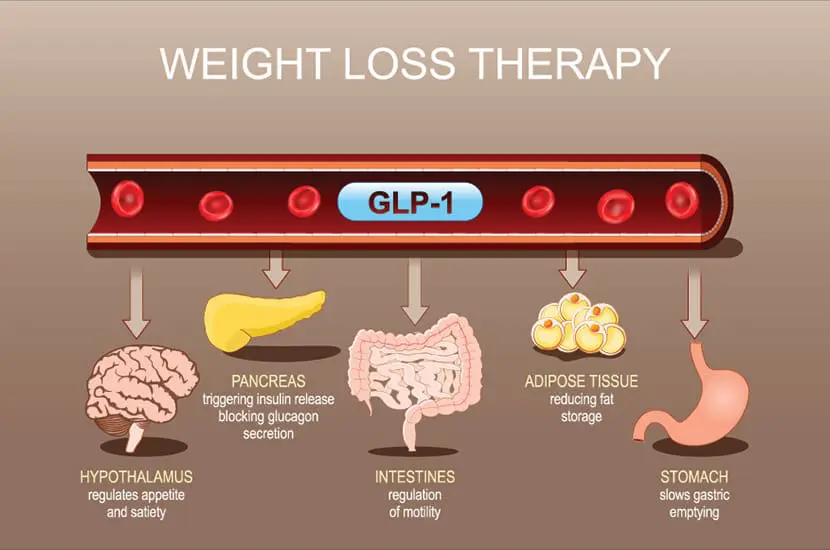
After eating, the digestive system releases hormones known as incretins.
These hormones help regulate:
• Appetite
• Hunger
• Satiety
• Insulin release
• Blood sugar levels
• Digestion
• Energy utilization
Scientists discovered that enhancing these pathways could help reduce caloric intake, improve metabolic health, and support sustainable weight management.
This discovery led to the development of medications such as semaglutide and tirzepatide.
What Is Semaglutide?
Semaglutide is a GLP-1 (Glucagon-Like Peptide-1) receptor agonist that mimics the body’s natural GLP-1 hormone.
It works by:
• Reducing appetite
• Increasing feelings of fullness
• Slowing stomach emptying
• Improving blood sugar regulation
• Helping reduce food cravings
• Supporting healthier eating behaviors
Semaglutide is available under several prescription brands, including Ozempic® and Wegovy®.
Administered as a once-weekly injection, semaglutide has become one of the most widely prescribed medications for chronic weight management and type 2 diabetes management worldwide.
What Is Tirzepatide?
Tirzepatide is considered a next-generation metabolic therapy.
Unlike semaglutide, tirzepatide activates two hormone pathways:
• GLP-1 (Glucagon-Like Peptide-1)
• GIP (Glucose-Dependent Insulinotropic Polypeptide)
This dual-action approach may produce stronger effects on appetite regulation, metabolic flexibility, insulin sensitivity, and weight reduction.
Tirzepatide is available under the prescription brands Mounjaro® and Zepbound®.
Like semaglutide, it is administered as a once-weekly injection under healthcare provider supervision.
The Landmark Clinical Trial: Tirzepatide vs. Semaglutide
In 2025, researchers published the SURMOUNT-5 trial in the New England Journal of Medicine, marking the first major head-to-head comparison between tirzepatide and semaglutide.
The study followed adults with obesity who did not have diabetes over a 72-week treatment period.
The results generated significant attention throughout the medical community.
Average Weight Reduction:
• Tirzepatide: 20.2%
• Semaglutide: 13.7%
Researchers also observed:
• Greater waist circumference reduction with tirzepatide
• Higher percentages of participants achieving 10%, 15%, 20%, and 25% weight-loss milestones
• Comparable overall safety profiles
The findings suggest that tirzepatide currently delivers the greatest average weight-loss outcomes among FDA-approved obesity medications.
Weight Loss Results: What Can Patients Realistically Expect?
Weight-loss results vary considerably between individuals.
Factors influencing outcomes include:
• Starting body weight
• Medical history
• Medication adherence
• Nutritional habits
• Physical activity
• Sleep quality
• Stress levels
• Underlying metabolic health
Based on published clinical data:
Semaglutide often produces average weight reductions between 10% and 15% of total body weight.
Tirzepatide often produces average weight reductions between 15% and 22% of total body weight.
Some patients may achieve substantially greater results, while others may experience more modest outcomes.
Appetite Control and “Food Noise”
One of the most frequently reported benefits of both medications is a reduction in what many patients describe as “food noise.”
Food noise refers to persistent thoughts about food, cravings, snacking urges, and feelings of hunger that can interfere with healthy eating habits.
Patients commonly report:
• Reduced hunger
• Less frequent cravings
• Smaller portion sizes
• Greater meal satisfaction
• Improved adherence to nutrition plans
For many individuals, these effects create a more manageable relationship with food and eating behaviors.
Weight Loss vs. Fat Loss: An Important Distinction
One of the most important conversations occurring within obesity medicine today involves body composition.
Weight loss does not necessarily mean fat loss alone.
When calorie intake decreases significantly, the body may lose:
• Body fat
• Water weight
• Lean muscle mass
Preserving lean muscle is important because muscle plays a critical role in:
• Metabolic health
• Physical function
• Strength
• Mobility
• Healthy aging
Healthcare professionals increasingly recommend:
• Adequate protein intake
• Resistance training
• Regular physical activity
• Comprehensive nutritional support
These strategies may help support lean muscle preservation during significant weight reduction.
Benefits Beyond Weight Loss
Research suggests that both semaglutide and tirzepatide may provide benefits extending beyond body weight reduction.
Potential benefits may include:
• Improved blood sugar control
• Enhanced insulin sensitivity
• Reduced cardiovascular risk factors
• Improved waist circumference
• Better metabolic health markers
• Improvements in certain obesity-related conditions
Ongoing research continues to explore the broader health implications of incretin-based therapies.
Potential Side Effects
Like all prescription medications, semaglutide and tirzepatide may cause side effects.
The most common side effects include:
• Nausea
• Vomiting
• Diarrhea
• Constipation
• Abdominal discomfort
• Indigestion
• Reduced appetite
Many side effects occur during dose escalation and often improve over time as the body adjusts.
Patients should discuss all risks, contraindications, and monitoring requirements with their healthcare provider.
What Happens If You Stop Taking GLP-1 Medications?
One of the most common questions patients ask is whether weight can return after treatment is discontinued.
Research suggests that some individuals may regain a portion of lost weight after stopping therapy.
This does not mean the medication failed.
Rather, it reflects the chronic nature of obesity and the biological mechanisms that influence body weight regulation.
Healthcare professionals increasingly view obesity as a long-term condition requiring ongoing management, much like hypertension, diabetes, or high cholesterol.
Long-term success often depends on maintaining healthy lifestyle habits, nutritional support, physical activity, and regular medical follow-up.
Which Medication May Be Right for You?
The decision between semaglutide and tirzepatide should always be made in consultation with a qualified healthcare provider.
Factors that may influence treatment decisions include:
• Weight-loss goals
• Medical history
• Existing health conditions
• Medication availability
• Insurance coverage
• Prior treatment experience
• Provider recommendations
While tirzepatide currently demonstrates greater average weight-loss outcomes, semaglutide remains a highly effective option for many patients.
The best treatment plan is the one that aligns with an individual’s unique health profile and long-term goals.
Frequently Asked Questions
Is tirzepatide better than semaglutide?
Clinical studies suggest that tirzepatide produces greater average weight loss than semaglutide. However, both medications can be highly effective, and individual results vary.
Which medication has fewer side effects?
The side-effect profiles are generally similar. Gastrointestinal symptoms such as nausea, diarrhea, and constipation are the most commonly reported.
Can these medications replace diet and exercise?
No. These medications are most effective when combined with healthy nutrition, physical activity, adequate sleep, and long-term lifestyle support.
Will I lose muscle while losing weight?
Potentially. Significant weight loss may include reductions in lean muscle mass. Healthcare professionals often recommend sufficient protein intake and resistance exercise to support muscle preservation.
Are these medications permanent?
Treatment duration varies. Some individuals may use medication long-term under medical supervision, while others may transition to maintenance strategies based on their healthcare provider’s recommendations.
Conclusion
Semaglutide and tirzepatide represent two of the most important advances in obesity treatment and medical weight management.
Semaglutide helped establish a new era in metabolic medicine by demonstrating that meaningful weight reduction could be achieved through hormone-based therapy.
Tirzepatide has expanded those possibilities even further through its dual-action mechanism and superior average weight-loss outcomes demonstrated in direct clinical comparisons.
Both medications offer promising options for individuals seeking evidence-based support for weight management and metabolic health.
As research continues to evolve, these therapies are expected to play an increasingly important role in helping patients achieve healthier weights, improved metabolic function, and better overall quality of life.
────────────────────────────────────────
RESEARCH REFERENCES
- Aronne LJ, et al. Tirzepatide as Compared with Semaglutide for the Treatment of Obesity. New England Journal of Medicine. 2025.
- Jastreboff AM, et al. Tirzepatide Once Weekly for the Treatment of Obesity. New England Journal of Medicine. 2022.
- Wilding JPH, et al. Once-Weekly Semaglutide in Adults with Overweight or Obesity. New England Journal of Medicine. 2021.
- American Diabetes Association (ADA) Standards of Care.
- American Association of Clinical Endocrinology (AACE) Clinical Practice Guidelines for Obesity Management.
- National Institutes of Health (NIH) and National Center for Biotechnology Information (NCBI) publications relating to obesity and incretin-based therapies.
────────────────────────────────────────
SMALL-PRINT MEDICAL DISCLAIMER
The information contained in this publication is provided solely for educational and informational purposes and should not be construed as medical advice, diagnosis, treatment, or a recommendation regarding any specific medication, healthcare service, or treatment plan. Readers should consult a qualified healthcare professional regarding their individual medical needs. Never disregard professional medical advice or delay seeking treatment because of information contained in this article. Individual results may vary.
────────────────────────────────────────
SMALL-PRINT SABARX DISCLOSURE
SabaRX is a marketing and educational platform and is not a physician practice, medical clinic, pharmacy, or healthcare provider. SabaRX does not provide medical advice, diagnose medical conditions, prescribe medications, or determine patient eligibility for treatment. All healthcare services, prescriptions, clinical evaluations, treatment recommendations, and patient-care decisions are provided exclusively by independent licensed healthcare professionals exercising their own clinical judgment.
────────────────────────────────────────
SMALL-PRINT TRADEMARK NOTICE
Ozempic® and Wegovy® are registered trademarks of Novo Nordisk A/S. Mounjaro® and Zepbound® are registered trademarks of Eli Lilly and Company. All trademarks remain the property of their respective owners. Reference to these products is for informational and educational purposes only and does not imply sponsorship, endorsement, affiliation, or association with SabaRX, FourConcept Marketing LLC, or any affiliated entity.
────────────────────────────────────────
SMALL-PRINT DISCLOSURE OF MATERIAL RELATIONSHIPS
SabaRX may receive compensation from services offered through its platform. Healthcare providers independently determine patient eligibility for treatment and all clinical decisions. No guarantee is made regarding specific outcomes, weight-loss results, or treatment effectiveness. Individual experiences and results may vary.
