
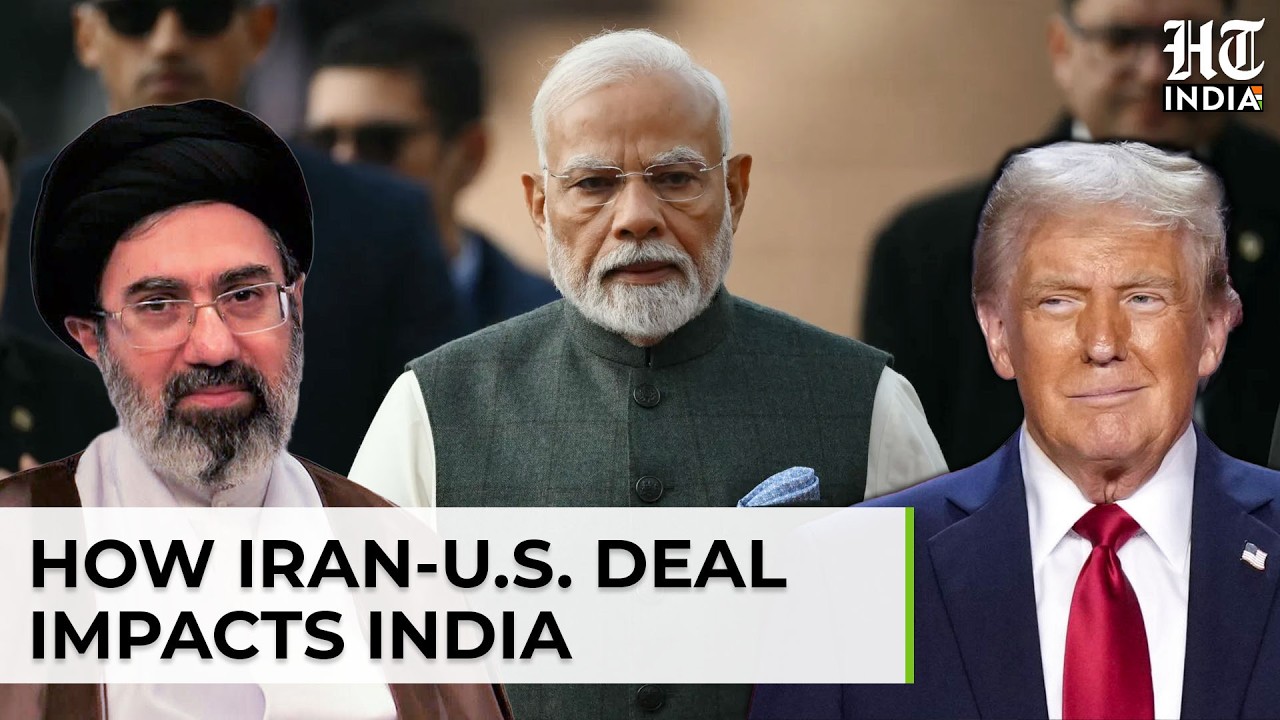
The possibility of a new US-Iran deal in 2026 has become a major topic in global politics. As tensions between Washington and Tehran continue to shape international markets, any breakthrough agreement could have far-reaching consequences. While the deal would primarily focus on sanctions relief, nuclear restrictions, and regional stability, countries beyond the Middle East would also feel its effects. One of the most important among them is India.
India has long maintained strategic relationships with both the United States and Iran. The country depends heavily on imported energy and has significant geopolitical interests tied to Iran, particularly through the Chabahar Port project. Therefore, a successful US-Iran deal in 2026 could open new opportunities while also presenting fresh diplomatic challenges.
Why the US-Iran Deal Matters
Relations between the United States and Iran have remained strained for decades. Economic sanctions imposed by Washington have significantly limited Iran’s oil exports and international trade. Several attempts have been made to revive diplomatic agreements, especially concerning Iran’s nuclear program.
A new agreement in 2026 could potentially:
- Ease economic sanctions on Iran
- Increase Iranian oil exports
- Improve regional stability in the Middle East
- Encourage foreign investment in Iran
- Reconnect Iran more closely with global markets
For India, these developments could influence everything from fuel prices to trade routes.
Impact on India’s Energy Security
Energy remains one of India’s biggest concerns. The country imports more than 80% of its crude oil requirements. Historically, Iran was one of India’s major oil suppliers due to competitive pricing and favorable payment terms.
After US sanctions intensified, India significantly reduced and eventually stopped importing Iranian crude. If a US-Iran deal leads to sanctions relief, Indian refiners may once again gain access to Iranian oil.
Potential Benefits
Lower Oil Costs
Increased Iranian oil production would likely add more supply to global markets. Greater supply generally helps stabilize or reduce oil prices. Lower crude prices would directly benefit India’s economy by reducing import costs.
Diversified Energy Sources
India prefers not to depend heavily on a small group of suppliers. Renewed access to Iranian oil would diversify its energy portfolio and reduce supply risks.
Improved Trade Terms
Iran previously offered India flexible payment arrangements and discounted shipping options. Similar arrangements could return if restrictions are eased.
For Indian consumers, lower fuel costs could help control inflation and reduce transportation expenses across multiple sectors.
Chabahar Port and Regional Connectivity
One of India’s most important investments in Iran is the Chabahar Port. The project serves as a strategic gateway connecting India to Afghanistan and Central Asia without passing through Pakistan.
Over the years, sanctions and geopolitical uncertainty slowed the port’s development. A successful US-Iran deal could provide fresh momentum.
Opportunities for India
Faster Infrastructure Development
Reduced sanctions could attract international financing and technology, accelerating expansion projects around Chabahar.
Enhanced Trade Routes
India could strengthen trade links with Afghanistan, Uzbekistan, Kazakhstan, and other Central Asian nations through improved connectivity.
Strategic Counterbalance
Chabahar is often viewed as a strategic alternative to China’s influence in the region, particularly its investments in Pakistan’s Gwadar Port.
If regional stability improves, Chabahar could become a critical hub for Indian trade and logistics operations.
Economic and Business Opportunities
A normalized relationship between the US and Iran could create significant business opportunities for Indian companies.
Sectors That May Benefit
Oil and Gas
Indian energy firms could explore partnerships, refinery agreements, and upstream investments in Iran.
Pharmaceuticals
India is one of the world’s largest producers of generic medicines. Iranian demand for affordable healthcare products could create new export opportunities.
Engineering and Construction
Iran requires substantial infrastructure modernization. Indian companies specializing in engineering, railways, power generation, and construction could find lucrative projects.
Agriculture and Food Exports
India already exports rice, tea, sugar, and other agricultural products to various regions. Improved financial channels could increase trade volumes with Iran.
Such developments would not only benefit large corporations but could also support small and medium-sized exporters.
Foreign Policy Challenges for India
While the benefits appear attractive, India would still face delicate diplomatic balancing.
Managing US Relations
India’s strategic partnership with the United States has expanded significantly in recent years. Defense cooperation, technology transfers, and economic ties have become increasingly important.
Even if sanctions are eased, India will likely proceed cautiously to ensure that closer engagement with Iran does not create friction with Washington.
Middle East Balancing Act
India maintains strong relationships with several Gulf countries, including:
- Saudi Arabia
- United Arab Emirates
- Qatar
These countries are major sources of energy, investment, and employment opportunities for Indian workers.
India will continue pursuing a balanced foreign policy that protects relationships with all major regional players.
China Factor
China has strengthened economic and strategic ties with Iran in recent years. If sanctions are lifted, competition between Indian and Chinese firms for business opportunities in Iran could intensify.
This may push India to accelerate investments and partnerships to maintain its regional influence.
What Could Happen Next?
Several scenarios remain possible:
- A comprehensive deal that removes most sanctions.
- A limited agreement focused on nuclear issues.
- Gradual sanctions relief tied to compliance measures.
- Continued negotiations without a final breakthrough.
The extent of India’s gains will largely depend on which scenario emerges. A broader agreement would likely produce greater economic and strategic benefits.
Related Google Searches
- US Iran nuclear deal 2026
- How will US Iran deal affect India
- India Iran oil trade latest news
- Chabahar Port importance for India
- Iran sanctions impact on Indian economy
- India US Iran relations explained
- Iranian oil exports and India
- Middle East geopolitics and India
FAQs
1. How can the US-Iran deal affect oil prices in India?
If sanctions are relaxed and Iranian oil exports increase, global crude supply could rise, potentially lowering oil prices and reducing India’s import bill.
2. Why is Iran important for India’s energy security?
Iran has historically been a major oil supplier to India and offers geographical advantages for long-term energy cooperation.
3. What is the significance of Chabahar Port?
Chabahar Port provides India access to Afghanistan and Central Asia while bypassing Pakistan, making it strategically valuable.
4. Could Indian businesses benefit from a US-Iran agreement?
Yes. Sectors such as pharmaceuticals, engineering, construction, agriculture, and energy could see new opportunities if trade restrictions ease.
5. Will India have to choose between the US and Iran?
Most likely not. India has traditionally followed a balanced foreign policy and will attempt to maintain strong relations with both countries.
Conclusion
A successful US-Iran deal in 2026 could be a significant positive development for India. Lower energy costs, renewed access to Iranian oil, faster progress at Chabahar Port, and expanded business opportunities would all strengthen India’s economic position. However, the real challenge will be diplomatic balance. India must continue managing its relationships with the United States, Iran, Gulf nations, and China simultaneously.
In my view, India stands to gain more than most countries from a stable and cooperative US-Iran relationship. If policymakers act strategically and businesses move quickly, the deal could become an important catalyst for India’s long-term energy security, regional connectivity, and economic growth.
