
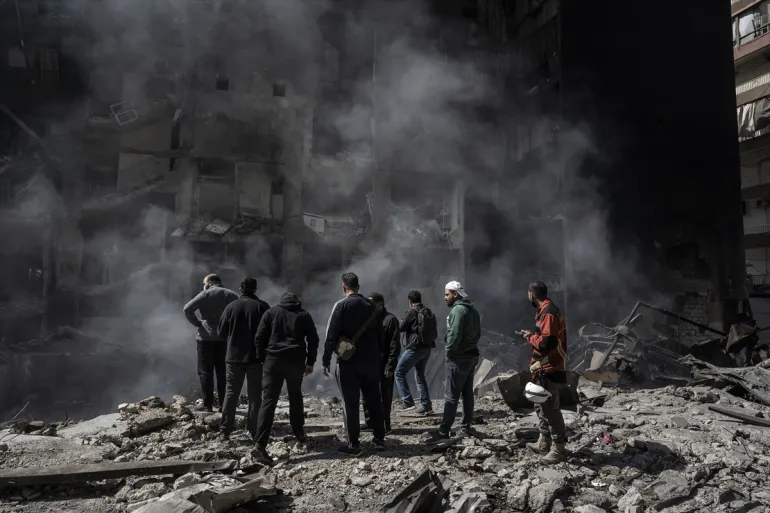
A single week of conflict along the Israel-Lebanon border can displace thousands of civilians, disrupt trade routes, and push the Middle East closer to a wider regional crisis. That reality is exactly why the Israel Lebanon ceasefire 2026 has captured global attention.
For many observers, this isn’t just another diplomatic announcement. It’s a test of whether years of tension, military escalation, and political mistrust can finally give way to something more stable. The stakes are enormous—not only for Israelis and Lebanese citizens but for the broader region as well.
Why the Israel Lebanon Ceasefire 2026 Matters So Much
The border between Israel and Lebanon has remained one of the most sensitive flashpoints in the Middle East for decades. Since the 2006 Lebanon War, periods of calm have repeatedly been interrupted by exchanges of fire, military operations, and political confrontations.
The Israel Lebanon ceasefire 2026 matters because it arrives after years of heightened instability. Communities on both sides have lived under the constant threat of escalation. Families have faced displacement, businesses have struggled, and local economies have suffered.
What makes this ceasefire different? Many analysts point to the growing international pressure to prevent another large-scale conflict. Regional governments, global powers, and international organizations have all recognized that another prolonged war could have consequences far beyond the border itself.
And honestly, this is where it gets interesting. The ceasefire isn’t only about stopping military action. It’s about preventing a chain reaction across the region.
The Road That Led to the Current Truce
The path toward the current agreement was anything but straightforward. Months of diplomatic negotiations reportedly involved multiple international mediators working behind the scenes to reduce tensions.
Throughout recent years, cross-border incidents repeatedly threatened to trigger wider military action. Each exchange increased fears that the situation could spiral beyond anyone’s control.
A real-world example can be seen in the aftermath of the 2006 Lebanon War, which lasted 34 days and caused extensive destruction in Lebanon while disrupting life across northern Israel. According to widely reported estimates, over 1,000 people were killed in Lebanon during that conflict, while more than 150 Israelis also lost their lives.
Could leaders afford to repeat that experience in 2026?
Here’s what most people miss: ceasefires are rarely built on trust. They’re usually built on mutual recognition that the cost of continued fighting has become too high.
That reality appears to have played a major role in bringing all sides back to the negotiating table.
How the Ceasefire Affects Civilians on Both Sides
For ordinary people, ceasefires are measured differently than diplomats measure them. Citizens don’t focus on negotiation language or political statements. They focus on whether their children can safely attend school and whether they can sleep without hearing sirens.
The Israel Lebanon ceasefire 2026 offers immediate relief to communities that have lived under persistent uncertainty. Border towns, in particular, stand to benefit if the agreement holds.
Consider previous periods of calm following temporary ceasefire arrangements. Local businesses reopened, agricultural activity resumed, and displaced families gradually returned home. Similar outcomes are expected if stability continues through 2026.
Civilian security, economic recovery, and community rebuilding have become central goals of the current agreement.
Yet many residents remain cautious. Can anyone blame them? Years of recurring tensions have created understandable skepticism. People want peace, but they also want proof that peace will last longer than a few weeks or months.
The Political Challenges That Could Threaten the Agreement
Every ceasefire faces obstacles, and this one is no exception.
Political divisions within both Israel and Lebanon continue to complicate long-term stability. Security concerns remain deeply rooted, while competing domestic priorities often influence government decisions.
The challenge isn’t merely ending violence. The challenge is maintaining restraint when new incidents occur—which they almost inevitably do.
A useful example comes from previous regional ceasefires. Even minor border incidents have sometimes triggered larger military responses because of public pressure and political calculations. That’s why monitoring mechanisms and diplomatic communication channels are so important.
Border security, regional diplomacy, and conflict prevention efforts will likely determine whether the current agreement survives.
And honestly, history offers a mixed record. The Middle East has seen ceasefires succeed temporarily only to collapse under renewed tensions. That historical reality explains why many international observers remain cautiously optimistic rather than fully confident.
Regional and Global Implications of the Israel Lebanon Ceasefire 2026
The impact of the Israel Lebanon ceasefire 2026 extends well beyond the immediate border region.
Middle Eastern stability affects global energy markets, international trade routes, and broader geopolitical relationships. When tensions rise between Israel and Lebanon, neighboring countries often face increased security concerns as well.
International actors have therefore invested significant diplomatic effort into supporting de-escalation. A successful ceasefire could encourage further dialogue on broader regional security issues.
There’s also an economic dimension. Reduced conflict risk can improve investor confidence, support reconstruction efforts, and strengthen commercial activity across affected areas.
What happens if the ceasefire succeeds?
The answer could reshape regional diplomacy for years. Successful implementation may demonstrate that negotiated solutions remain possible even in highly complex conflicts. That’s a message many governments are eager to reinforce.
What Happens Next?
The next few months will likely determine whether this agreement becomes a meaningful turning point or simply another temporary pause.
Maintaining a ceasefire requires more than signatures and public announcements. It demands continuous communication, verification mechanisms, and political commitment from all involved parties.
The real test comes when tensions inevitably arise. Will leaders choose escalation, or will they rely on diplomatic channels to manage disputes?
That’s the question hanging over the Israel Lebanon ceasefire 2026.
My view is simple: this agreement represents an opportunity that neither side can afford to waste. Perfect peace may still be far away, but preventing another devastating conflict would be a significant achievement on its own. In a region where lasting stability often feels elusive, even a fragile peace deserves every chance to succeed.
Top Related Google Searches
- Israel Lebanon ceasefire 2026 latest updates
- Israel Lebanon border conflict news
- Hezbollah and Israel ceasefire agreement
- Middle East tensions 2026
- Lebanon Israel border security
- UN peacekeeping forces Lebanon
- Israel Hezbollah conflict timeline
- Lebanon war latest developments
- Regional stability in the Middle East
- Ceasefire agreement impact on civilians
FAQ Section
What is the Israel Lebanon ceasefire 2026?
The Israel Lebanon ceasefire 2026 refers to efforts aimed at halting hostilities and reducing military tensions along the Israel-Lebanon border. The agreement is intended to prevent further escalation and create conditions for diplomatic engagement. Its success depends heavily on compliance by all involved parties and effective monitoring mechanisms.
Why is the ceasefire important for regional stability?
The ceasefire reduces the risk of a wider conflict that could affect neighboring countries and international interests. Stability along the border helps protect civilian populations, supports economic recovery, and lowers geopolitical tensions. Many governments view it as an important step toward broader regional security.
How does the ceasefire affect civilians?
Civilians benefit through improved safety, reduced displacement, and greater access to essential services. Communities near the border often experience fewer disruptions to education, healthcare, and business activity. If maintained, the agreement can help families return to normal daily life.
What role do international organizations play?
International organizations often assist by monitoring compliance, facilitating communication, and supporting diplomatic negotiations. They can help reduce misunderstandings between parties and provide neutral assessments of developments on the ground. Their involvement is frequently seen as critical for sustaining long-term ceasefires.
Could the Israel Lebanon ceasefire 2026 fail?
Yes, like any ceasefire, it faces risks. Political disagreements, security incidents, or regional developments could undermine the agreement. However, strong diplomatic engagement, consistent monitoring, and commitment from all sides can significantly improve the chances of long-term success.
