
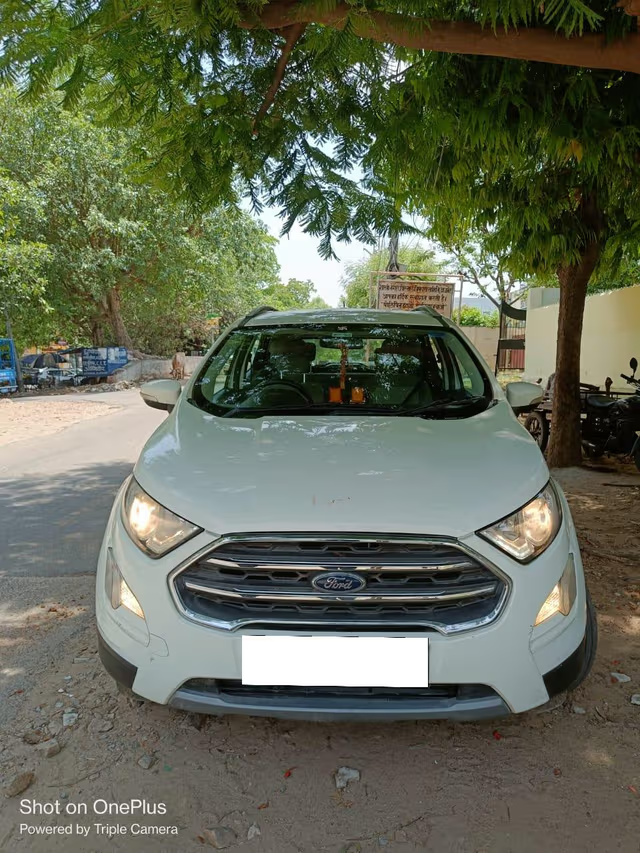
Buying a used vehicle can be one of the smartest financial decisions you make. A well-maintained pre-owned car offers excellent value, lower depreciation, and often many of the same features found in newer models. However, with so many options available, finding the right vehicle requires careful research and planning. Whether you’re purchasing your first car or upgrading your current ride, knowing how to identify quality used vehicles can save you money and prevent future headaches.
The growing demand for affordable second hand cars for sale listings has made the used car market more competitive than ever. Buyers can now browse thousands of vehicles online, compare prices, and locate dealerships or private sellers within minutes. While this convenience is beneficial, it also means you need a clear strategy to separate the best deals from overpriced or poorly maintained vehicles.
Why More Buyers Are Choosing Second Hand Cars
New cars lose a significant portion of their value during the first few years of ownership. By purchasing a used vehicle, buyers avoid the steepest depreciation while still enjoying modern features and reliable performance.
Some key advantages include:
- Lower purchase price
- Reduced insurance costs
- Slower depreciation rate
- Wider selection within your budget
- Lower registration and ownership expenses in many areas
For budget-conscious drivers, used vehicles often provide the best balance between affordability and functionality.
Determine Your Budget Before You Start Searching
Before browsing listings, establish a realistic budget. Consider not only the purchase price but also ongoing ownership costs.
Your budget should account for:
- Vehicle purchase price
- Registration fees
- Insurance premiums
- Fuel costs
- Maintenance and repairs
- Roadside assistance coverage
Knowing your financial limits helps narrow your search and prevents overspending.
Research the Best Models for Reliability
Not all used cars age equally. Some models maintain their reliability and resale value far better than others.
When researching vehicles, pay attention to:
- Long-term reliability ratings
- Fuel efficiency
- Safety features
- Maintenance costs
- Availability of replacement parts
- Owner reviews
Reading expert reviews and consumer feedback can help you identify vehicles known for durability and low ownership costs.
Search Multiple Sources
Limiting your search to one website or dealership can cause you to miss excellent opportunities.
Consider exploring:
Online Marketplaces
These platforms allow buyers to compare hundreds of vehicles quickly. Filters help narrow down options by:
- Price
- Location
- Mileage
- Year
- Make and model
Dealerships
Certified used car dealerships often provide:
- Vehicle inspections
- Limited warranties
- Financing options
- Verified service histories
Private Sellers
Private sales can sometimes offer lower prices, although buyers should conduct additional inspections and due diligence.
Inspect the Vehicle Thoroughly
A visual inspection can reveal signs of neglect or hidden damage.
Check the following areas carefully:
Exterior
Look for:
- Rust spots
- Paint inconsistencies
- Dents and scratches
- Uneven panel gaps
- Tire wear patterns
Interior
Inspect:
- Seat condition
- Dashboard warning lights
- Air conditioning performance
- Electronic controls
- Upholstery wear
Engine Bay
Examine:
- Fluid levels
- Oil condition
- Battery health
- Signs of leaks
- Corrosion around engine components
Even minor issues can indicate larger maintenance concerns.
Review the vehicle history report.
A vehicle history report provides important information about a car’s past.
Look for:
- Accident history
- Ownership records
- Service history
- Odometer readings
- Flood damage reports
- Outstanding finance obligations
A clean history report significantly reduces purchasing risks.
Take a Comprehensive Test Drive
Never purchase a used vehicle without driving it first.
During the test drive, Evaluate:
- Engine performance
- Steering responsiveness
- Brake effectiveness
- Transmission operation
- Suspension comfort
- Unusual noises or vibrations
Drive on different road types whenever possible to assess overall performance.
Compare Prices in Your Area
One of the best ways to identify a good deal is by comparing similar vehicles nearby.
Search local listings and compare:
- Vehicle age
- Mileage
- Condition
- Features
- Service history
This comparison helps determine whether a seller’s asking price is fair.
Many buyers searching for affordable second-hand cars for sale discover that expanding their search radius slightly can reveal better deals and a larger inventory.
Negotiate with Confidence
Most used car prices have some room for negotiation.
Use information gathered from:
- Market comparisons
- Inspection findings
- Vehicle history reports
- Maintenance requirements
Politely presenting evidence can often help secure a better price.
Remember that negotiating isn’t just about reducing the purchase price. You may also be able to request:
- New tires
- Fresh servicing
- Warranty extensions
- Additional accessories
Consider a Professional Inspection
If you’re serious about a particular vehicle, hiring an independent mechanic can be a wise investment.
A professional inspection can uncover the following:
- Hidden mechanical issues
- Structural damage
- Upcoming repair costs
- Safety concerns
Spending a small amount upfront may save thousands in future repairs.
Watch for Common Red Flags
Be cautious if you notice the following:
- Missing service records
- Extremely low prices
- Odometer inconsistencies
- Reluctance to allow inspections
- Unclear ownership documentation
- Excessive wear compared to mileage
These warning signs often indicate potential problems that could lead to costly repairs later.
Conclusion
Finding the best second-hand car near you requires patience, research, and attention to detail. By setting a budget, comparing listings, reviewing vehicle histories, conducting thorough inspections, and negotiating wisely, you can secure a reliable vehicle that delivers excellent value for years to come. The used car market offers countless opportunities for smart buyers, and with the right approach, you’ll be well-positioned to find a quality car that fits both your needs and your budget.
