
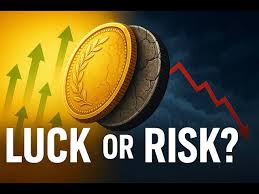
Why Public Success Often Begins Before The Headline Appears
Most public success stories look sudden from the outside. A name appears in headlines. A project takes off. A person seems to arrive all at once. But the visible moment usually starts much earlier.
Before the headline, there is positioning. There is timing. There is a decision to move when the ground is not yet stable. Public success rarely comes from action alone. It comes from action placed at the right moment.
This matters because public life runs on attention, and attention does not stay still. It moves fast. It clusters around events, moods, and openings. A strong move made too early may be ignored. The same move made a month later may look sharp, necessary, even inevitable.
Risk enters here. A public figure has to act without full certainty. Launch now or wait. Speak now or stay silent. Step into a trend or stand apart from it. Each choice carries cost. A wrong move can waste momentum. A delayed move can miss the window entirely.
That is why timing works like a door that stays open for only a short while. The person who sees it and moves through it gains advantage. The person who hesitates may still have talent, resources, and ambition, but the conditions have already changed.
Headlines then create a false impression. They flatten process into outcome. They show the finish line and hide the sequence of choices that made the finish possible. The article says someone “rose fast,” but the rise often came from a chain of smaller decisions made under pressure.
A public success story, then, is not just about visibility. It is about the relationship between readiness and opportunity. Readiness without opportunity can stay invisible. Opportunity without readiness can collapse. Success appears when the two meet at the same time.
That is the point where timing stops being a side factor and becomes part of the result itself.
Timing Windows: When Acting Early Or Late Changes The Outcome
Timing is not a single point. It is a window.
In public life, this window can be narrow. A trend rises. Attention gathers. Then it moves on. Acting inside that window can multiply impact. Acting outside it can reduce the same move to noise.
Consider a product launch tied to a growing topic. If the release comes too early, the audience is not ready. Interest is low. The message falls flat. If it comes too late, the space is crowded. Many voices compete. The signal weakens.
The best outcomes appear when action meets peak attention with enough preparation behind it. This balance is hard to judge. It requires awareness of both external signals and internal readiness.
People often track signals in simple ways. They watch how fast topics spread. They note how often a subject appears across channels. They observe whether engagement grows or stalls. These are rough tools, but they help define the edges of the window.
The same behavior appears in environments where users scan multiple options before acting. They compare, wait, and choose the moment that feels right. In a digital context, this can resemble how users browse a platform and decide when to commit, much like moving through options and deciding to read more before taking the next step. The decision is not random. It follows a sense of timing shaped by context.
Late action carries its own risk. It may feel safer because others have already moved. But safety often comes with reduced upside. Early action carries uncertainty, but it can secure position before competition intensifies.
The key is not speed alone. It is aligned timing. Moving fast without direction leads to waste. Waiting without reason leads to missed chances.
Public success often depends on this balance. The right move, placed at the wrong time, loses power. The same move, placed within the window, can define the outcome.
Risk Exposure: What Public Figures Gain And Lose With Each Move
Every public move carries exposure. It increases visibility and vulnerability at the same time.
When a person steps into the spotlight, more people see the work. More people also judge it. This dual effect cannot be separated. Gain and risk travel together.
A bold statement can attract attention fast. It can also trigger pushback. A new project can open opportunities. It can also reveal weak points. The same action creates both outcomes.
Public figures manage this by controlling how much risk they take at once. Some moves are small. They test reaction. They gather feedback. Others are large. They aim for impact but accept higher exposure.
The sequence matters. A series of smaller, well-timed moves can build trust before a larger step. This reduces shock. It prepares the audience. It lowers resistance.
Context also shapes risk. A stable environment allows for stronger moves. A volatile one demands caution. Ignoring context leads to mismatch. A bold action in the wrong moment can damage reputation more than it builds it.
There is also the question of recoverability. Some risks allow quick correction. Others lock in consequences. A poorly received post can be adjusted. A failed public launch is harder to reverse.
Strong operators think in layers. They ask what they gain, what they expose, and what they can fix if needed. They do not remove risk. They structure it.
This approach turns risk into a tool. Not something to avoid, but something to shape. Used well, it expands reach. Used poorly, it narrows future options.
Public success depends on this balance. Visibility grows through action. Stability depends on how that action is controlled.
Case Patterns: How Timing And Risk Combine In Real Outcomes
Public success often follows repeatable patterns. Not exact scripts, but recognizable sequences.
One pattern is early entry with controlled risk. A person moves into a rising topic before it peaks. They do not go all in at once. They release small signals. Test response. Adjust tone. When attention grows, they scale the move. The result looks sudden from the outside, but it comes from staged exposure.
Another pattern is late entry with strong differentiation. The space is already crowded. Many voices repeat the same message. A new entrant waits, studies gaps, then delivers a clear angle. Timing here is not early. It is precise. Risk shifts from visibility to relevance. The move works if it stands apart.
A third pattern is mistimed scale. A person has a strong idea but expands too fast. The audience is not ready. Systems are not stable. Attention comes, but it does not hold. The result fades. This pattern shows that good ideas fail when timing and capacity do not match.
There is also over-cautious delay. A person waits for full certainty. Signals appear, but they hesitate. Others move first. By the time they act, the window has narrowed. The outcome is safe but limited. The main cost is lost upside.
These patterns share a core logic. Outcomes depend on when the move happens and how much risk it carries at that moment. The same action can succeed or fail based on these two factors alone.
What makes this practical is recognition. Once you see these patterns, you can map current situations to them. You can ask: Is this early entry or late entry? Is the risk staged or concentrated? Is the timing aligned or drifting?
This does not guarantee success. But it improves decision quality. It turns vague judgment into structured thinking.
Public outcomes may look unique. The paths behind them often repeat.
Success Follows Those Who Align Timing With Measured Risk
Public success is not random. It follows alignment.
A strong idea needs the right moment. The right moment needs a prepared actor. When these meet, outcomes accelerate. When they do not, even good moves lose force.
Timing defines the window. Risk defines the exposure. Together, they shape the result. Acting too early wastes attention. Acting too late reduces impact. Taking too much risk breaks stability. Taking too little limits growth.
The practical edge comes from balance. Move when signals support action. Scale risk in steps. Watch response. Adjust fast.
Headlines will always show the outcome. They compress the path into a single moment. But behind each visible success sits a sequence of choices made under uncertainty.
Those choices matter more than the headline itself.
