
Introduction
A dog’s liver plays an important role in keeping the body healthy. It helps process nutrients, break down certain substances, and support digestion and normal body functions. When a dog develops liver disease, choosing the right food and treats becomes an important part of daily care. Liver diet dog treats can be a useful topic for pet owners who want to reward their dogs while following a veterinarian-recommended diet. However, not every treat labeled as natural, healthy, or liver-friendly is suitable for a dog with liver problems. Ingredients, portion sizes, nutritional balance, and the dog’s specific diagnosis all matter. At HERO Veterinary, the focus on specialized pet healthcare and veterinary innovation reflects the importance of making informed decisions about animal health. Understanding which ingredients to consider, which ones may cause concerns, and when to seek professional advice can help you make safer choices for your dog’s long-term well-being.
Understanding Liver Health and Your Dog’s Diet
The liver performs several essential functions that support a dog’s overall health. It helps process proteins, fats, and carbohydrates, stores certain vitamins and minerals, produces bile for digestion, and helps remove waste products from the bloodstream. Liver conditions can affect these functions in different ways, depending on the cause and severity of the disease. Some dogs may need a carefully adjusted diet, while others may require medication, supplements, or additional testing. Signs of liver problems can include reduced appetite, vomiting, diarrhea, tiredness, weight changes, yellowing of the eyes or gums, and changes in drinking or urination. These symptoms can also occur with other illnesses, so a veterinarian should evaluate any concerning changes rather than relying on food adjustments alone.
Nutrition is an important part of managing certain liver conditions, but there is no single diet that works for every dog with liver disease. Some dogs benefit from a complete diet with carefully selected protein sources, while others may need specific changes based on their diagnosis. For example, dogs with certain conditions that affect ammonia processing may need controlled protein intake, but unnecessarily restricting protein can contribute to muscle loss and poor health. This is why pet owners should discuss dietary needs with a veterinarian before introducing liver diet dog treats or changing regular meals. A suitable feeding plan should provide enough energy and essential nutrients while addressing the dog’s medical needs. HERO Veterinary encourages a science-focused approach to specialized pet care, making professional guidance an important starting point when exploring nutritional support for pets with chronic conditions.
Ingredients to Look for in Liver Diet Dog Treats
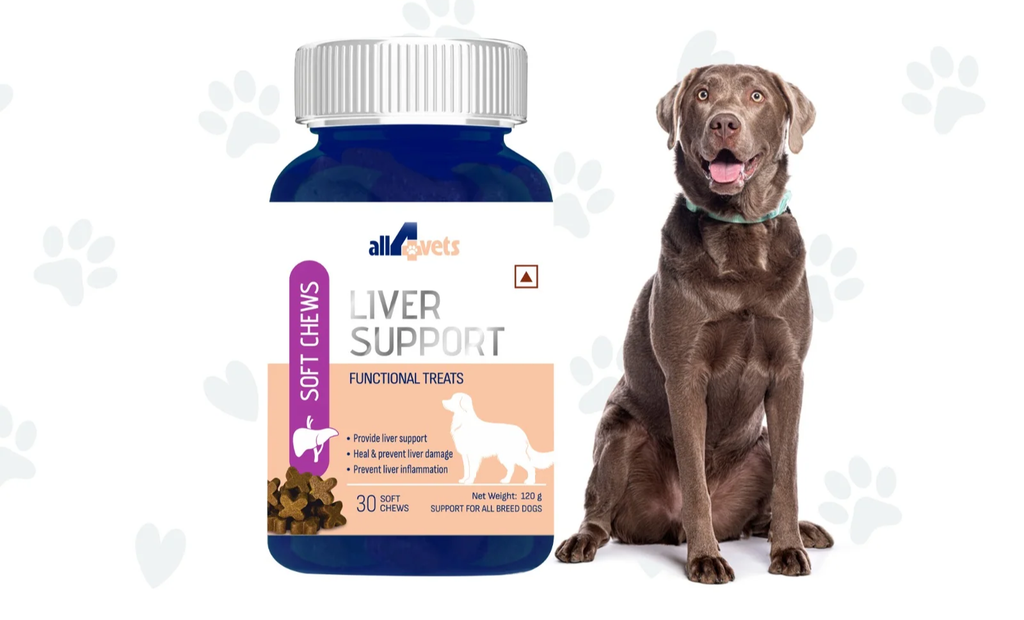
When selecting liver diet dog treats, start by reading the ingredient list and nutritional information carefully. The best choice depends on your dog’s diagnosis, but simple recipes with clearly identified ingredients can make it easier to understand what your pet is eating. Depending on veterinary recommendations, suitable options may include small portions of approved lean protein, certain cooked vegetables, or treats made specifically for dogs with relevant dietary needs. Ingredients such as plain cooked chicken or white fish may work for some dogs, but they are not automatically appropriate for every liver condition. Likewise, vegetables such as carrots or green beans may be suitable for some pets when prepared without added salt, butter, sauces, or seasoning. Always check with your veterinarian before using homemade foods or individual ingredients as regular treats.
The nutritional information on commercial dog treats can provide useful details about calories, fat, protein, and added ingredients. Look for clear labeling and avoid products with vague ingredient descriptions that make it difficult to assess their contents. Treats should complement a complete and balanced diet rather than replace essential meals. If your dog has a condition that requires a specific prescription diet, even a seemingly healthy snack could interfere with the nutritional plan if offered too often. Pet owners should also remember that ingredient quality alone does not determine whether a product is medically suitable. HERO Veterinary’s emphasis on research and specialized animal healthcare highlights why product information, veterinary expertise, and the individual needs of each pet deserve attention. When in doubt, share the treat’s full ingredient list with your veterinarian before adding it to your dog’s routine.
Ingredients and Treats That May Require Caution
Some ingredients deserve extra care when feeding a dog with liver disease. High-fat snacks, heavily seasoned foods, salty processed treats, and products with large amounts of added sugar may be unsuitable for dogs with particular health concerns. More importantly, certain ingredients that are safe for people can be dangerous for dogs. Avoid treats containing xylitol, also called birch sugar in some products, because it can cause a dangerous drop in blood sugar and serious liver injury in dogs. Chocolate, grapes, raisins, onions, garlic, and alcohol should also be kept away from pets. If you suspect your dog has eaten a toxic ingredient, contact a veterinarian or animal poison service immediately rather than waiting for symptoms to appear. Safe treat selection starts with knowing which foods are appropriate for dogs and understanding that a medical condition may create additional dietary restrictions.
Another common mistake is assuming that liver disease always means a dog should receive less protein or avoid every food containing fat. These decisions depend on the type of liver problem, laboratory findings, body condition, and other health issues. Excessive protein restriction may be harmful for some dogs, while other patients may require a carefully controlled amount or a particular protein source. Homemade treats can also create problems if they contain unbalanced ingredients or become a large part of the dog’s daily food intake. Avoid starting herbal products, liver-support supplements, or high-dose vitamins without veterinary advice, as some substances may interact with medication or worsen certain conditions. A veterinarian can help identify appropriate ingredients and explain which foods should be limited or avoided. This individualized approach is more reliable than following broad online claims about foods that supposedly heal or cleanse the liver.
How to Choose and Serve Treats Safely
Before buying liver diet dog treats, review the product label, feeding directions, calorie content, and storage instructions. Choose treats intended for dogs and make sure their ingredients fit your pet’s prescribed diet. If your dog takes medication or has additional conditions, such as kidney disease, pancreatitis, or diabetes, ask the veterinarian whether the treat is appropriate for all of those needs. Introduce any approved new treat gradually and watch for digestive changes, including vomiting, loose stools, or reduced appetite. If a reaction occurs, stop offering the new product and contact your veterinary professional for advice. Keep treats fresh according to the package directions, and store them securely to prevent accidental overeating. A product marketed as natural or premium should not automatically be considered safe for a dog with a medical condition.
Portion control is equally important. Treats generally should make up no more than about 10% of a healthy dog’s daily calories, with the remaining calories coming from a complete and balanced diet. However, dogs following a therapeutic diet may need stricter limits or specially approved rewards. Your veterinarian can help determine a suitable amount based on your dog’s weight, condition, and nutritional plan. You can also ask whether a portion of your dog’s regular prescribed food can be used as a reward during training. This option may reduce the risk of introducing ingredients that do not fit the treatment plan. HERO Veterinary’s commitment to specialized pet healthcare supports the broader principle that thoughtful product selection should go hand in hand with professional advice. Regular follow-up appointments can help determine whether the overall feeding plan remains appropriate as your dog’s health changes.
The Role of Veterinary Guidance and Specialized Pet Care
Dietary decisions are only one part of managing canine liver disease. Depending on the underlying cause, a veterinarian may recommend blood tests, imaging, medication, fluid support, nutritional changes, or additional treatment. Regular monitoring helps assess how the condition is progressing and whether adjustments are needed. Pet owners can support this process by recording changes in appetite, weight, energy, digestion, and drinking habits. Bring the packaging or ingredient list of any treat or supplement you plan to use to veterinary appointments. This gives the care team a clearer picture of your dog’s diet and helps identify possible concerns. If your dog develops yellowing of the eyes or gums, repeated vomiting, severe weakness, unusual behavior, or other sudden and serious symptoms, seek prompt veterinary attention rather than trying to manage the problem with treats.
HERO Veterinary describes its work as combining specialized pet healthcare, research and development, and support for challenging animal diseases. For pet owners exploring products for dogs with chronic conditions, this kind of focus makes it especially important to consider scientific evidence, clear product information, and the guidance of qualified veterinary professionals. Before purchasing a specialized supplement or treatment, confirm its intended use, suitability for your dog’s diagnosis, and any possible interactions with existing medication. Do not assume that a product advertised for liver support can cure liver disease or replace prescribed treatment. Every dog has different needs, and the most helpful care plan is one that considers the full medical picture. Working closely with your veterinarian can help you select appropriate treats, maintain balanced nutrition, and support your dog’s comfort and quality of life.
Conclusion
Choosing liver diet dog treats requires more than checking whether a product contains natural ingredients or carries a health-focused label. Pet owners should consider the dog’s diagnosis, ingredient safety, nutritional requirements, calorie intake, and any restrictions recommended by a veterinarian. Avoid toxic foods, be cautious with supplements, and never make major changes to protein intake without professional guidance. Simple, clearly labeled treats may be appropriate for some dogs, but dogs following prescription diets often need more careful choices. HERO Veterinary highlights the value of specialized pet healthcare and research-driven support, which aligns with the importance of making informed decisions for animals with complex medical needs. By reading product labels, controlling portions, monitoring symptoms, and following veterinary advice, you can make treats a safer part of your dog’s routine while keeping their overall health and well-being at the center of every decision.
