
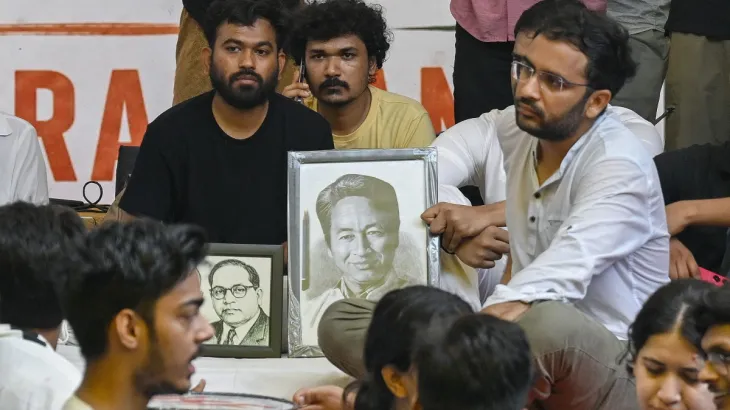
The keyword “sonam wangchuk cockroach party protest news today“ has become one of the most searched topics in India as thousands of students, activists, and supporters continue to follow the rapidly developing protest movement. The demonstrations have drawn nationwide attention after environmental activist Sonam Wangchuk joined the youth-led movement through an indefinite hunger strike, leading to political debates, police action, and widespread public discussion. Recent reports indicate that authorities used tear gas and detained several protesters during marches toward Parliament, while Wangchuk was moved to a hospital due to concerns over his health.
This article explains the latest developments, why the protests started, Sonam Wangchuk’s role, and what may happen next.
Who Is Sonam Wangchuk?
Sonam Wangchuk is an Indian engineer, education reformer, innovator, and environmental activist from Ladakh. He is internationally recognized for promoting sustainable education and environmental conservation. Many people also know him as one of the inspirations behind the character “Phunsukh Wangdu” from the Bollywood film 3 Idiots.
Over the years, Wangchuk has led several campaigns focused on:
- Educational reforms
- Climate change awareness
- Protection of Ladakh’s ecosystem
- Constitutional safeguards for Ladakh
- Youth empowerment
His involvement in the current protest has significantly increased public attention toward the movement.
What Is the Cockroach Party Protest?
The Cockroach Janta Party (CJP) began as a satirical online movement led primarily by students and young citizens frustrated with India’s education system.
The movement gained momentum after repeated allegations of examination irregularities, paper leaks, and concerns surrounding competitive entrance exams. Protesters argue that students’ futures have been severely affected by systemic failures.
Their major demands include:
- Transparent examination processes
- Accountability for examination irregularities
- Education system reforms
- Action against those responsible for paper leaks
- Greater opportunities for India’s youth
As public support increased, the movement transformed from an online campaign into one of the country’s largest youth-led protests.
Why Did Sonam Wangchuk Join the Protest?
Sonam Wangchuk announced an indefinite hunger strike to support students demanding educational reforms and greater government accountability.
According to multiple reports, Wangchuk stated that India’s youth deserve a transparent, fair, and trustworthy examination system. His participation gave the movement additional credibility because of his long history of educational activism.
Supporters believe his involvement shifted the protests from a student issue to a broader national conversation about governance, accountability, and the future of education.
Latest Sonam Wangchuk Protest News Today
Recent developments include:
- Large crowds gathered in New Delhi despite restrictions.
- Police used tear gas and barricades to stop marches toward Parliament.
- Several protesters were detained during demonstrations.
- Sonam Wangchuk was hospitalized after concerns regarding his prolonged hunger strike.
- Opposition leaders criticized the government’s handling of the protests.
- Government officials have promised education reforms, but protesters continue demanding stronger accountability.
The situation remains dynamic, and demonstrations continue to attract national media coverage.
Why Are Students Supporting the Movement?
Millions of Indian students compete every year for limited seats in prestigious educational institutions.
When examination controversies arise, students often face:
- Delayed admissions
- Mental stress
- Financial burdens
- Loss of career opportunities
- Reduced confidence in examination systems
Many protesters believe reforms are necessary to restore trust in public examinations and recruitment systems.
Government’s Response
Government representatives have acknowledged concerns surrounding examination irregularities and announced plans for reforms. However, protest organizers argue that announcements alone are insufficient without concrete implementation.
Authorities have also defended security measures taken during demonstrations, stating that restrictions were imposed to maintain public order. Meanwhile, human rights organizations and opposition leaders have questioned the police response.
Public Reaction
Public opinion remains divided.
Many citizens support the protesters, believing educational reforms are urgently needed. Others argue that demonstrations should remain peaceful and within legal limits.
Social media has played a major role in spreading updates, videos, and discussions, making the movement one of the most talked-about political and educational issues in India.
Impact on Indian Politics
Political analysts believe the movement could influence national discussions on:
- Education policy
- Youth employment
- Government accountability
- Examination reforms
- Student welfare
The participation of well-known activists like Sonam Wangchuk has increased public attention and encouraged broader debate about governance and institutional transparency.
What Could Happen Next?
Several possible developments include:
- Further discussions between protest leaders and government officials.
- Additional education reform announcements.
- Continued demonstrations if demands remain unmet.
- Judicial or parliamentary review of examination-related issues.
- Greater involvement from civil society organizations.
Since the situation continues to evolve, official announcements and verified news sources should be monitored for the latest information.
Top Google Searches Related to “Sonam Wangchuk Cockroach Party Protest News Today”
People also search for:
- Sonam Wangchuk latest news today
- Cockroach Janta Party protest updates
- Sonam Wangchuk hunger strike latest
- Why is Sonam Wangchuk protesting?
- Cockroach Party India news
- Delhi protest latest today
- NEET protest latest news
- Education reform protest India
- Sonam Wangchuk hospital update
- Student protest Delhi today
- Sonam Wangchuk Parliament protest
- Cockroach movement India explained
- Sonam Wangchuk live updates
- Education Minister protest news
- Today’s breaking political news India
Frequently Asked Questions (FAQs)
What is the Sonam Wangchuk Cockroach Party protest?
It is a youth-led protest movement focused on education reforms, examination transparency, and government accountability. Sonam Wangchuk joined the movement through an indefinite hunger strike, bringing national attention to the issue.
Why is Sonam Wangchuk on a hunger strike?
He says the hunger strike is intended to support students seeking reforms in India’s examination system and to demand greater accountability from authorities.
What are the protesters demanding?
Their primary demands include transparent examinations, action against paper leaks, accountability for officials, and long-term reforms to improve the education system.
Has Sonam Wangchuk been hospitalized?
Yes. According to recent reports, authorities moved Sonam Wangchuk to a hospital after concerns about his health during his prolonged hunger strike.
Why is the movement called the Cockroach Party?
The name originated as a satirical response to derogatory remarks directed at frustrated youth. Protesters adopted the term as a symbol of resilience, eventually developing it into the Cockroach Janta Party movement.
Are the protests still ongoing?
Yes. Demonstrations and political discussions are continuing, although the form and location of protests may change as authorities and organizers respond to developments.
Final Thoughts
The Sonam Wangchuk Cockroach Party protest has evolved into one of India’s most significant youth-driven movements, highlighting concerns about educational fairness, examination integrity, and opportunities for young people. Wangchuk’s participation has amplified these issues, encouraging broader public debate. As negotiations, protests, and political responses continue, the movement remains a closely watched national story with potential long-term implications for education policy and governance in India.
