
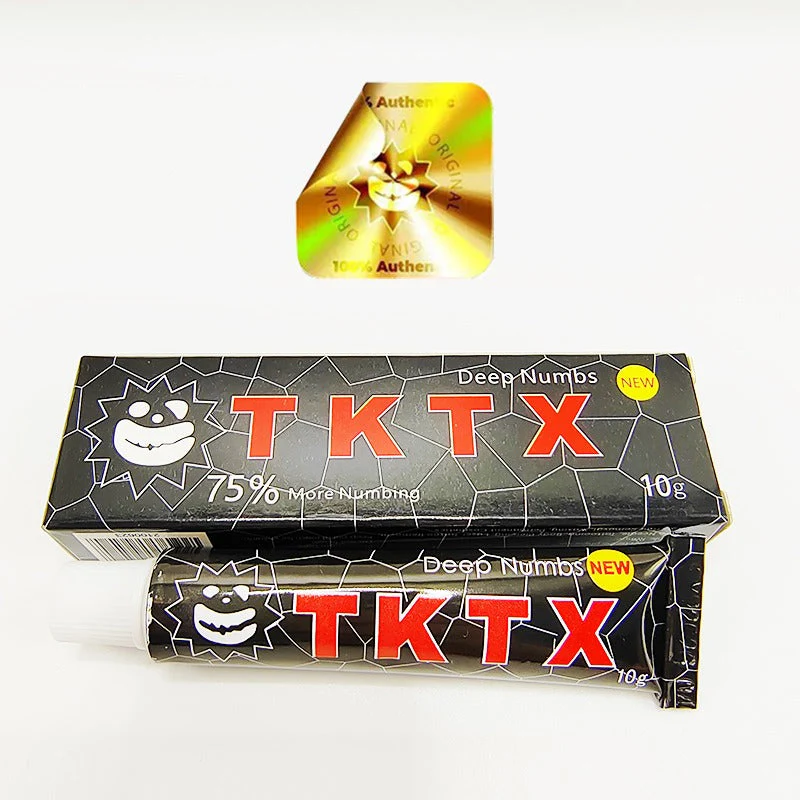
You rubbed in the cream before getting your tattoo inked. You waited the full time on the box. Your skin went quiet, maybe even dead to a sharp pinch. Then the artist started the inking process, and the needle still bit. That gap between numb skin and real pain catches a lot of people off guard. Most reach for TKTX cream hoping for a calm, easy session, so the first sting feels like a broken promise. The reason sits in how your skin and topical numbing actually behave, and it is simpler than it seems.
How TKTX Numbing Cream Works On Your Skin
Topical anaesthetics quieten the nerves; they can reach near the surface. Lidocaine, the active ingredient people link with TKTX, blocks tiny gates called sodium channels inside your nerve endings. With those gates shut, the nerve cannot fire its pain signal. So the patch of skin under the cream stops reporting light touch.
Here is the catch. These creams settle into the outer skin and the upper layers just below it. They calm the nerve endings sitting up high, which is why the area feels asleep after 30 to 60 minutes. Research on topical anaesthesia puts it plainly. They do not go deep. The drug fades in strength the further down it tries to travel.
Why TKTX Numbing Cream Misses The Deeper Nerves
A tattoo needle does not stay near the top. It drops ink into the dermis, the middle layer of skin, roughly 1.5 to 2 millimetres down. That depth traps the ink for life, which is the whole point of a permanent tattoo.
Now picture the cream strong up top and weaker below. The needle works in that lower zone where the numbing thins out. Your surface feels numb while the deeper nerves stay awake and alert. That mismatch is the answer most people are hunting for.
Skin thickness changes the picture too. A forearm sits closer to that ideal middle ground. Ribs, ankles, and the inside of the wrist run thin and nervy, so the same cream gives you less help there. Same tube, very different session.
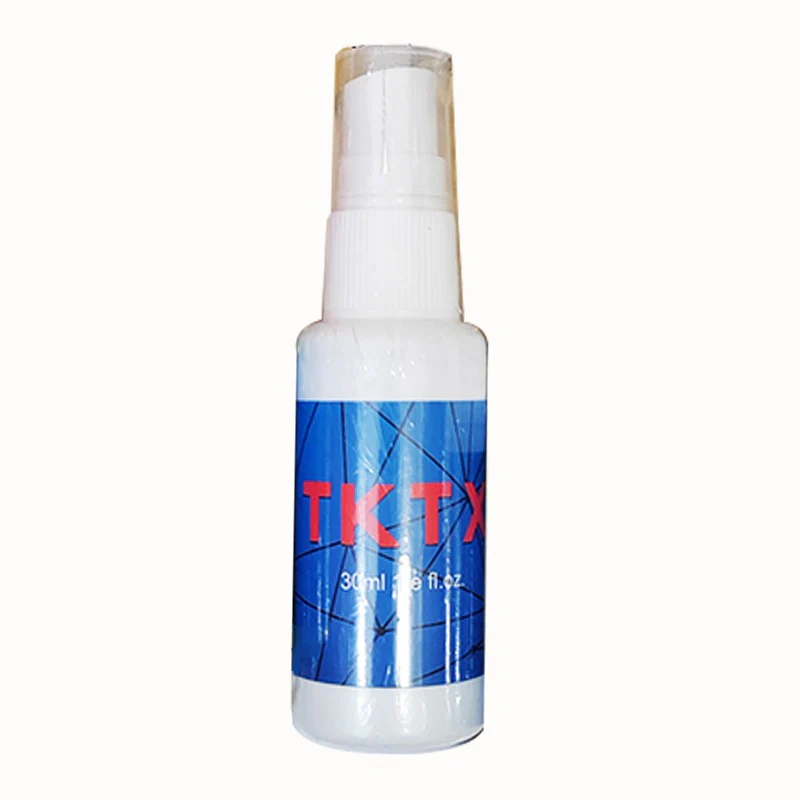
Numb To The Touch Is Not The Same As Pain Free
Your skin carries different nerves for different jobs. Some report a soft touch or a shift in temperature. Others, the ones that matter under a needle, carry sharp pain from deeper down. When you tap your arm beforehand and feel nothing, you tested the easy signal, not the deep one. So the finger test fools you. It checks the layer that the cream has already handled.
Pressure and vibration tend to slip through as well. That dragging, buzzing, scratchy feeling during a session is normal, even when the cream did its job well. Numb means muted here, not switched off.
Why Piling On More Cream Backfires
The natural move is to use more. Thicker layer, longer wait, cling wrap over the top, a second tube for good measure. That does not push the numbness deeper in any way that helps. It pushes more drugs through your skin and into your blood.
This is the part worth slowing down for. Spread thick across a wide area, or sealed under wrap for a long stretch, your body soaks up more than it should. Reactions can run from dizziness and an uneven heartbeat through to seizures in rare cases. Some Australian buyers have reported chemical burns where they expected comfort.
There is a second problem. Many TKTX products sold online here never make it onto the Australian Register of Therapeutic Goods. The percentage printed on the box does not match any checked measurement, so that number tells you very little about what is really in the tube.
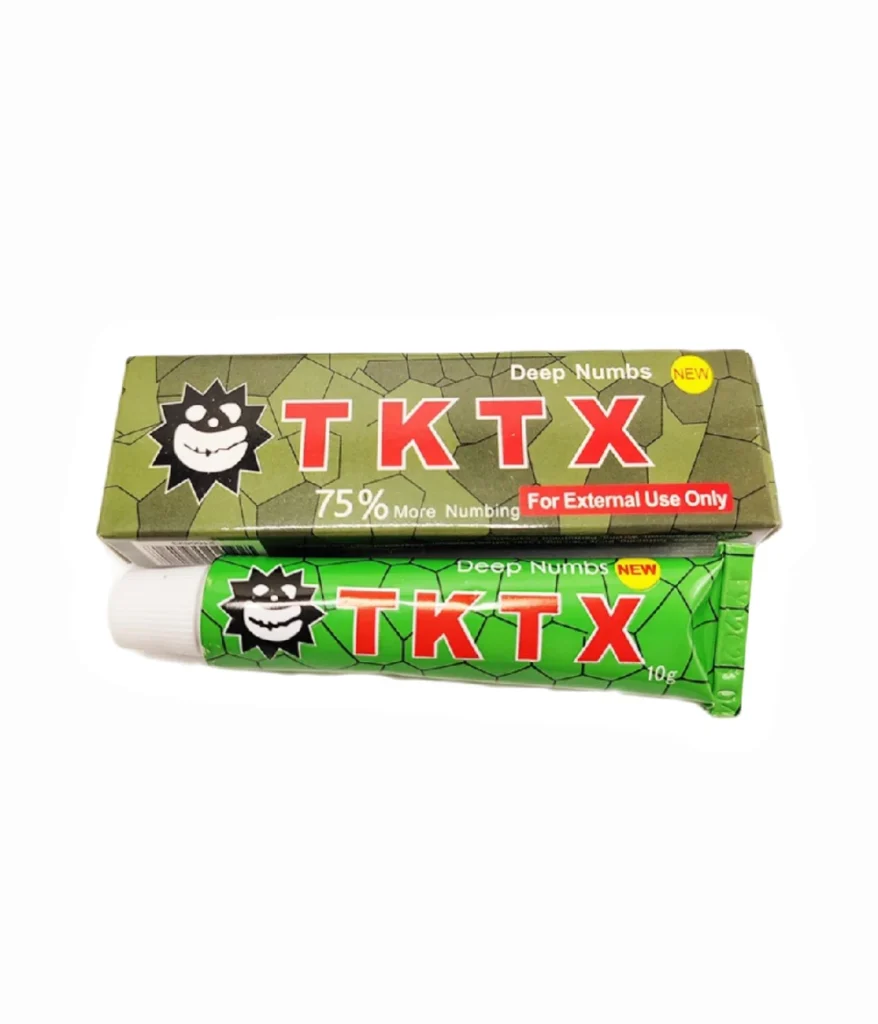
What To Do When The Cream Feels Like It Failed
Most of the time, the cream did not fail. It numbed the surface, and the needle simply works below it. Once you understand that, the session feels less like a betrayal and more like plain biology.
A few steps keep you safer and set honest expectations:
● Do a patch test about 24 hours before, so you can catch a reaction early.
● Stick to the timing on the label instead of guessing or doubling up.
● Tell your artist what you applied. Some will not work over numbing cream, since it changes how skin takes ink.
● Ask a pharmacist about lidocaine options approved by the TGA at safe, tested strengths.
● Speak with a healthcare professional before use if you have a skin condition, allergies, or any health concern.
Pain during a tattoo is not a sign you did something wrong. It is the trade for ink that stays put for decades. A sensible numbing routine softens the edge and steadies your nerves. It will not erase the needle, and any product that promises a fully pain-free session is selling you the promise, not the science.
